Steampunk Computers – something to do at the weekend
This presentation describes the hardware and software environment for experimenting with the Parallel Rendering of Webpages. The hardware consists of a cluster of Single Board Computers (SBCs) which run a number of application servers that previously ran in the cloud (RHC and Pythonanywhere). Each application server was associated with a single application which was either…
This series of blog posts describes the Parrallella-LISP source code and how to build applications requiring a combination of symbolic and numeric computation. To this end, two example applications will also be blogged about. The first application represents the meaning of documents with vector semantics and the second, extracts contours from binary images. If you…
LISP has a long distinguished history and is the second oldest high level programming language in use today. My interest in this language led me to create a version for the Parellella board. The starting point was a blog post on the parallella forum discussing how much LISP could fit on the board. In trying…
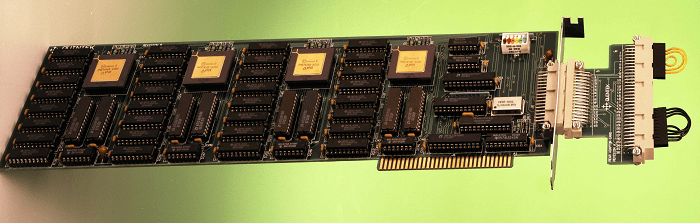
Some twenty years ago I set up a company to configure parallel computers for image processing applications. Unfortunately, demand wasn't very high because of the poor price/performance ratio and the advent of RISC processors which surpassed it. I was therefore very excited when about a year ago Adapteva created a kickstarter project to offer affordable…
During the 1980s the Japanese government in conjunction with the IT industry started working on 5th Generation Computers . The main goal of this project was to increase their international competitiveness by creating computers the likes of which had not been seen before. Not long after the Japanese published their decision to push forward the…